
Every step you take puts pressure on your knees. For millions of Indians including a growing number of patients across Navi Mumbai that pressure has become a daily source of pain. The culprit, more often than not, is osteoarthritis of the knee. Dr. Suyog Chavhan, a leading orthopaedic specialist in Navi Mumbai, regularly sees patients who have been dismissing early warning signs for years, allowing the condition to progress to a far more difficult stage to treat.
Whether you are noticing morning stiffness, a grinding sensation while climbing stairs, or swelling that simply will not subside, understanding osteoarthritis of the knee early is the most important step toward recovery. This guide covers symptoms, causes, stages, the best treatment options, and when surgery becomes the right choice.
What Is Osteoarthritis of the Knee?
Osteoarthritis of the knee is a degenerative joint disease where the cartilage the protective cushion covering the ends of your knee bones gradually breaks down. As cartilage wears away, bones begin rubbing directly against each other, a condition referred to as bone-on-bone knee arthritis, causing persistent pain, inflammation, stiffness, and reduced joint function.
Unlike rheumatoid arthritis, which is autoimmune in origin, osteoarthritis of the knee develops primarily due to age-related wear and tear, mechanical stress, or previous injury. It is one of the most prevalent orthopaedic conditions treated in Navi Mumbai, primarily affecting adults above 45, with post-menopausal women at the highest risk due to the decline in oestrogen levels that accelerates cartilage deterioration.
Knee Osteoarthritis Symptoms You Should Not Ignore
Knee osteoarthritis symptoms develop gradually but worsen steadily if left unaddressed. Recognising the early signs of knee osteoarthritis gives patients a significant advantage in managing the condition before it advances.
The most commonly reported knee osteoarthritis symptoms include persistent pain or tenderness around the knee joint, especially after physical activity or prolonged rest. Knee pain while walking, climbing stairs, or rising from a chair is often the earliest and most consistent complaint.
Morning stiffness lasting 15 to 30 minutes is a hallmark sign. Many patients describe needing to move around before the knee loosens up. A crackling or grating sensation crepitus when bending or straightening the knee is caused by roughened bone surfaces and damaged cartilage moving against each other.
Swelling due to joint inflammation and fluid accumulation is common. In cases of advanced knee osteoarthritis, visible deformity such as bowing of the legs may develop. Progressive loss of range of motion limits squatting, sitting cross-legged, and walking longer distances activities deeply embedded in everyday Indian life.
If you are consistently experiencing any of these knee osteoarthritis symptoms, consult an orthopaedic specialist in Navi Mumbai without delay.
Stages of Knee Osteoarthritis
Understanding the stages of knee osteoarthritis is critical to choosing the most effective treatment at each point in the disease’s progression.
Stage 1 — Mild: Minor cartilage wear with little or no pain. X-rays may appear nearly normal. Lifestyle modifications and preventive exercises are most effective at this stage.
Stage 2 — Early: Occasional pain and stiffness after activity. Bone spurs may begin forming. Physiotherapy, weight management, and medication effectively manage symptoms.
Stage 3 — Moderate: Frequent pain, swelling, and reduced mobility. Cartilage has deteriorated significantly. A combination of injections, physiotherapy, and medication is typically required. Most patients at this stage are still managed without surgery.
Stage 4 — Severe: Bone-on-bone knee arthritis with severe pain and significant difficulty walking. This is grade 4 knee osteoarthritis the stage at which the orthopaedic surgeon most commonly recommends knee replacement surgery to restore quality of life.
Knowing your stage at diagnosis is the foundation of an effective treatment plan.
Causes and Risk Factors
Multiple factors contribute to the development of osteoarthritis of the knee. Age-related cartilage wear is the primary cause, but the condition is not inevitable or unmanageable.
Obesity is a major accelerant every extra kilogram of body weight adds nearly four kilograms of pressure to the knee joint. Previous injuries such as ligament tears, meniscus damage, or fractures can trigger early cartilage deterioration even decades after the original trauma. Genetic predisposition, hormonal changes post-menopause, and physically demanding occupations all significantly elevate risk.
Common Indian lifestyle habits frequent squatting, sitting on the floor, and climbing multiple flights of stairs daily compound mechanical stress on the knees over years. Patients with any combination of these risk factors benefit from early screening with an orthopaedic specialist in Navi Mumbai.
Diagnosing Osteoarthritis of the Knee
Dr. Suyog Chavhan diagnoses osteoarthritis of the knee through a comprehensive clinical assessment covering gait analysis, joint tenderness, swelling, and range of motion. X-rays confirm joint space narrowing, osteophyte formation, and structural changes. An MRI is recommended when soft tissue evaluation ligaments, menisci, and surrounding tendons is required for a complete diagnostic picture.
Accurate, stage-specific diagnosis directly shapes the knee osteoarthritis treatment plan, ensuring patients receive the most appropriate intervention at the right time rather than over- or under-treating the condition.
Knee Osteoarthritis Treatment in Navi Mumbai
For Stage 1 to Stage 3 cases, knee osteoarthritis treatment in Navi Mumbai focuses on structured non-surgical management. The doctor builds personalised treatment plans around each patient’s stage, activity level, and lifestyle goals.
Physiotherapy and targeted strengthening exercises reduce load on the joint, improve flexibility, and slow cartilage degradation. Weight management through guided diet and exercise can dramatically reduce pain even modest weight loss significantly lowers the mechanical burden on the knee.
Anti-inflammatory medications manage pain and swelling, while intra-articular injections corticosteroids for acute inflammation or hyaluronic acid for joint lubrication provide targeted, longer-lasting relief when oral medications are insufficient. Assistive devices, activity modification, and appropriate footwear are also incorporated into the plan as needed.
The best treatment for knee osteoarthritis is always stage-specific and patient-specific. Dr. Suyog Chavhan’s approach to knee osteoarthritis treatment in Navi Mumbai prioritises non-surgical options first, with surgery recommended only when conservative care has been genuinely exhausted.
When Is Knee Replacement Surgery in Navi Mumbai the Right Choice?
When conservative treatment no longer provides meaningful relief particularly in advanced knee osteoarthritis with bone-on-bone knee arthritis knee replacement surgery in Navi Mumbai becomes the most appropriate and effective solution.
The surgeon recommends knee replacement surgery when a patient experiences severe knee pain limiting daily activities such as walking, climbing stairs, or rising from a chair; pain at rest or sleep disruption; significant joint deformity; or inadequate relief from physiotherapy, medications, and injections sustained over several months.
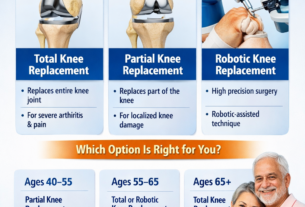
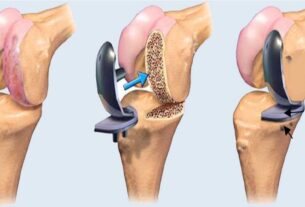
Total knee replacement involves precisely removing damaged cartilage and bone surfaces and replacing them with metal and high-grade plastic implants. The procedure restores joint alignment, eliminates bone-on-bone knee arthritis pain, and dramatically improves function. Partial knee replacement surgery in Navi Mumbai is recommended when only one compartment is affected, offering a less invasive approach with faster recovery.
Most patients experience significant pain relief within weeks of surgery and return to comfortable daily activities within three to six months, supported by a structured rehabilitation programme.
Why Choose Dr. Suyog Chavhan for Knee Osteoarthritis Treatment in Navi Mumbai?
Choosing the right specialist is as important as choosing the right treatment. Dr. Suyog Chavhan brings extensive experience in the diagnosis and management of osteoarthritis of the knee across all stages from early non-surgical intervention to complex knee replacement surgery in Navi Mumbai.
Patients benefit from advanced diagnostic facilities that enable precise staging, ensuring no patient is recommended surgery prematurely. The orthopaedic team’s expertise spans the full spectrum of knee osteoarthritis treatment in Navi Mumbai physiotherapy protocols, injection therapies, total and partial knee replacement all under one specialised practice.
Personalised rehabilitation programmes designed around each patient’s recovery goals set this practice apart as a trusted destination for knee osteoarthritis treatment in Navi Mumbai. Patients from across Navi Mumbai and neighbouring areas choose Dr. Suyog Chavhan for the depth of clinical expertise and the quality of patient-centred care delivered at every stage of treatment.
Conclusion
Osteoarthritis of the knee is progressive but at every stage, it is manageable. From the early signs of knee osteoarthritis to grade 4 knee osteoarthritis requiring surgical intervention, the right care at the right time makes all the difference between a life limited by pain and one lived fully.
If persistent knee pain, stiffness, or swelling is affecting your daily activities, do not wait for the condition to worsen. Consult Dr. Suyog Chavhan, a trusted orthopaedic specialist in Navi Mumbai, for an accurate diagnosis and a personalised treatment plan built around your needs. Early intervention consistently improves outcomes and in many cases, delays or eliminates the need for surgery altogether.
FAQ
Q1. What are the early signs of knee osteoarthritis? The early signs of knee osteoarthritis include mild pain after physical activity, morning stiffness that eases within 30 minutes, a faint crackling sensation when bending the knee, and occasional swelling. Early consultation helps prevent the condition from advancing.
Q2. Can knee osteoarthritis be treated without surgery? Yes. Stages 1 to 3 respond well to physiotherapy, weight management, anti-inflammatory medications, and injections. The best treatment for knee osteoarthritis is stage-specific, and the doctor exhausts all non-surgical options before recommending surgery.
Q3. Is walking good for osteoarthritis of the knee? Low-impact walking generally helps maintain mobility and muscle strength. However, pace, surface, and duration should be guided by your orthopaedic specialist in Navi Mumbai, particularly when knee pain while walking is significant.
Q4. When is knee replacement surgery necessary? Knee replacement surgery in Navi Mumbai is recommended for grade 4 knee osteoarthritis with bone-on-bone knee arthritis, persistent pain disrupting daily activities and sleep, joint deformity, and failure of all conservative treatments.
Q5. How long is recovery after knee replacement surgery? Most patients experience significant relief within weeks. Full recovery typically takes three to six months with a personalised rehabilitation programme.
Q6. What is the difference between partial and total knee replacement? Total knee replacement surgery resurfaces the entire joint. Partial replacement addresses only the damaged compartment and is suited to patients where osteoarthritis of the knee is confined to one area, offering faster recovery and a less invasive procedure.