Fracture Recovery in Vashi :How Long Do Different Fractures Take to Heal
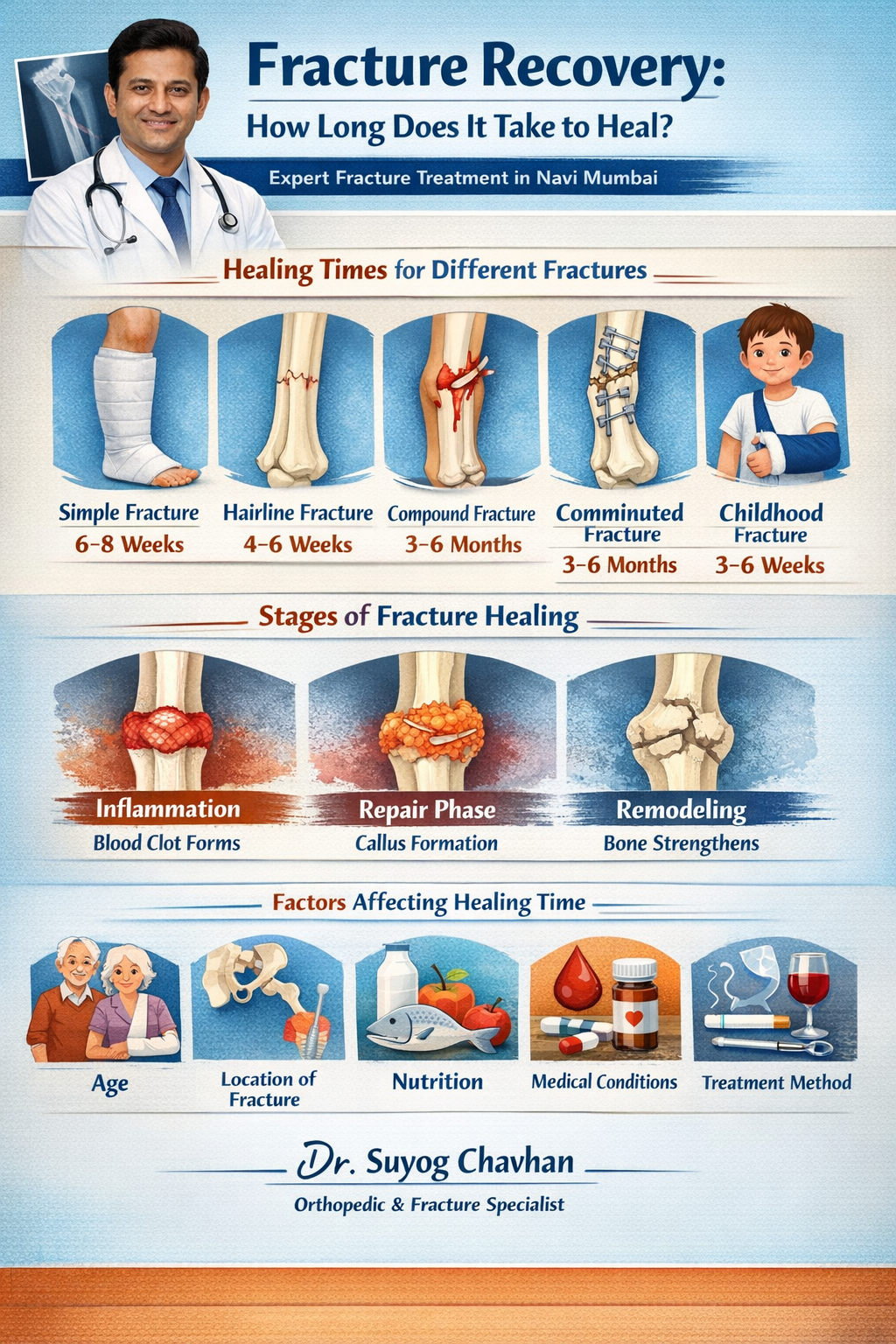
1. SIMPLE (CLOSED) FRACTURE
Healing Time: 6–8 Weeks
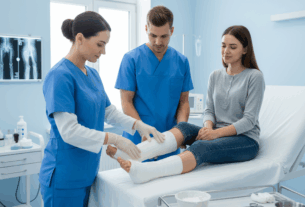
In this type of fracture, the bone breaks but the skin stays intact. Since the injury is usually stable, treatment often involves a cast or splint to keep the bone properly aligned. With correct immobilization, healing progresses naturally over several weeks.
2. HAIRLINE (STRESS) FRACTURE
Healing Time: 4–6 Weeks
Unlike a complete break, a hairline fracture is a small crack in the bone. It commonly develops due to repeated strain, overuse, or sports activities. Therefore, early detection, adequate rest, and limited movement are key to faster recovery.
3. COMPOUND (OPEN) FRACTURE
Healing Time: 3–6 Months or Longer
In more serious cases, the broken bone pushes through the skin. Because of the higher risk of infection, immediate medical attention is necessary. These fractures typically require surgery, stabilization, and careful follow-up to ensure proper healing.
4. COMPLEX OR COMMINUTED FRACTURE
Healing Time: 3–6 Months
When the bone breaks into several pieces, it is considered a complex or comminuted fracture. As a result, surgical support using plates, screws, or rods is often required to restore stability and alignment. Recovery may take longer due to the severity of the injury.
5. FRACTURES IN CHILDREN
Healing Time: 3–6 Weeks
Compared to adults, children usually heal more quickly because their bones are still growing and regenerate faster. With proper care and monitoring, most pediatric fractures recover smoothly within a shorter timeframe.
Fracture Recovery Process : Stages of Fracture Healing
Understanding the healing process helps you set realistic expectations.
1. Inflammatory Phase (First Few Days)
First, the body reacts quickly to the injury. Swelling appears around the fracture, and a blood clot forms to protect the broken bone.
Healing cells reach the area to begin repair. During this stage, mild pain, warmth, or redness is common as the body prepares for recovery.
2. Repair Phase (2–6 Weeks)
Next, the body starts rebuilding the bone. A soft callus forms around the fracture and slowly becomes harder.
Although the bone is getting stronger, it is still delicate. Therefore, proper immobilization and avoiding pressure are very important.
3. Remodeling Phase (Several Months)
Finally, the bone reshapes and regains strength. The temporary healing tissue is replaced with solid bone.
With time and guided physiotherapy, movement and flexibility gradually return.
Factors That Affect Fracture Healing Time
Healing is not the same for everyone. At a professional fracture treatment clinic, specialists assess the following:
Age and bone recovery process
Firstly, age plays an important role in bone recovery. Children usually heal faster because their bones are still growing and repairing actively. In contrast, older adults may experience slower healing due to reduced bone strength and circulation.
Type & severity of fracture and bone repair time
Secondly, the nature of the fracture greatly influences healing time. A simple and well-aligned break typically recovers sooner. However, displaced, crushed, or multiple-piece fractures require more time and sometimes advanced treatment.
Location of fracture and bone recovery duration
Additionally, the position of the broken bone matters. Fractures in the arm or wrist often heal quicker since they are not constantly bearing weight. On the other hand, injuries to the hip, thigh, or ankle may take longer because these bones support daily movement.
Blood supply and bone repair process
Moreover, healthy blood circulation supports faster healing. Bones that receive sufficient oxygen and nutrients tend to repair more efficiently than those with limited blood flow.
Nutrition and bone regeneration
Equally important is proper nutrition. Adequate calcium, vitamin D, protein, and iron intake helps strengthen new bone formation and speeds up recovery.
Lifestyle habits and fracture recovery
Furthermore, certain habits can affect healing. Smoking can slow bone repair by reducing blood supply, while excessive alcohol intake may interfere with the body’s natural recovery process.
Medical conditions and bone healing progress
In addition, existing health problems such as diabetes, osteoporosis, or low immunity can extend healing time and require careful medical supervision.
Treatment method and fracture repair outcome
Finally, the type of treatment chosen plays a crucial role. Proper immobilization with a cast or splint promotes stable healing. In more complex cases, surgical fixation using plates or rods may be necessary to restore alignment and ensure proper recovery. To understand the estimated Fracture Treatment Cost in Navi Mumbai, it is best to consult a specialist who can evaluate the severity and suggest the most appropriate plan.
Tips for Fracture Healing
Here are simple steps that support recovery:
-
Follow your doctor’s instructions carefully
-
Avoid putting weight on the injured area
-
Eat a calcium-rich and protein-rich diet
-
Attend follow-up appointments
-
Complete recommended physiotherapy
Healing takes patience, but with the right care, you can return to your normal routine safely. Consulting an experienced Fracture Treatment Doctor in Navi Mumbai ensures structured monitoring and better long-term outcomes.