Everything You Need to Know About Hip Replacement
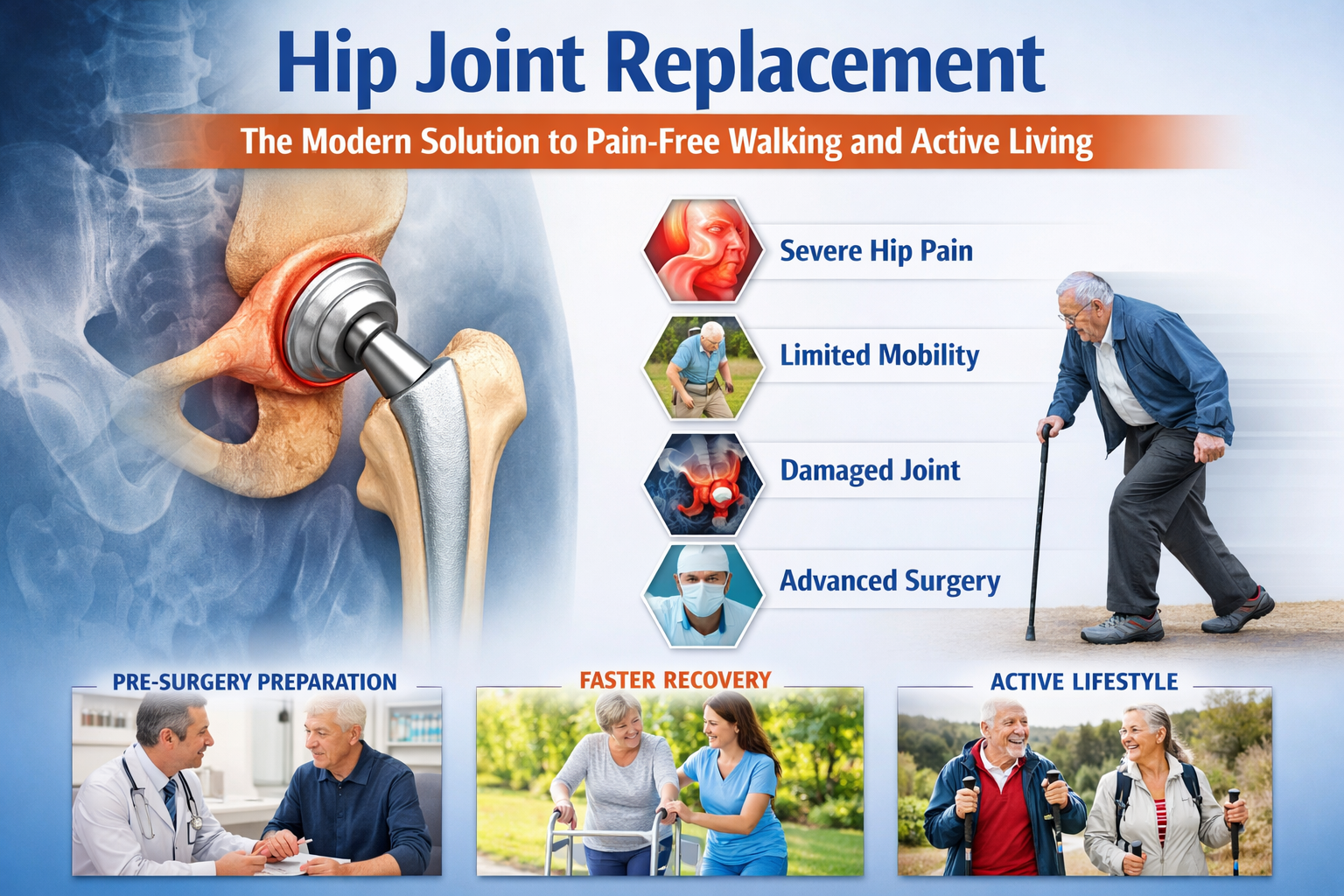
Hip joint replacement surgery replaces a damaged hip joint with an artificial one, often made of metal, ceramic, or durable plastic. Surgeons recommend this procedure for people who experience severe pain, limited mobility, or hip problems that affect daily life. It restores normal joint function and allows patients to perform everyday activities without discomfort. For expert care, you can consult a Hip Joint Replacement Surgeon in Vashi or schedule Hip Joint Replacement in Vashi
What Leads to Hip Joint Damage?
Several conditions can lead to the need for hip replacement:
Osteoarthritis: Wear and tear of the joint cartilage, leading to pain and stiffness.
Rheumatoid Arthritis: An autoimmune condition causing inflammation and joint damage.
Hip Fractures: Injuries from falls or accidents that do not heal properly.
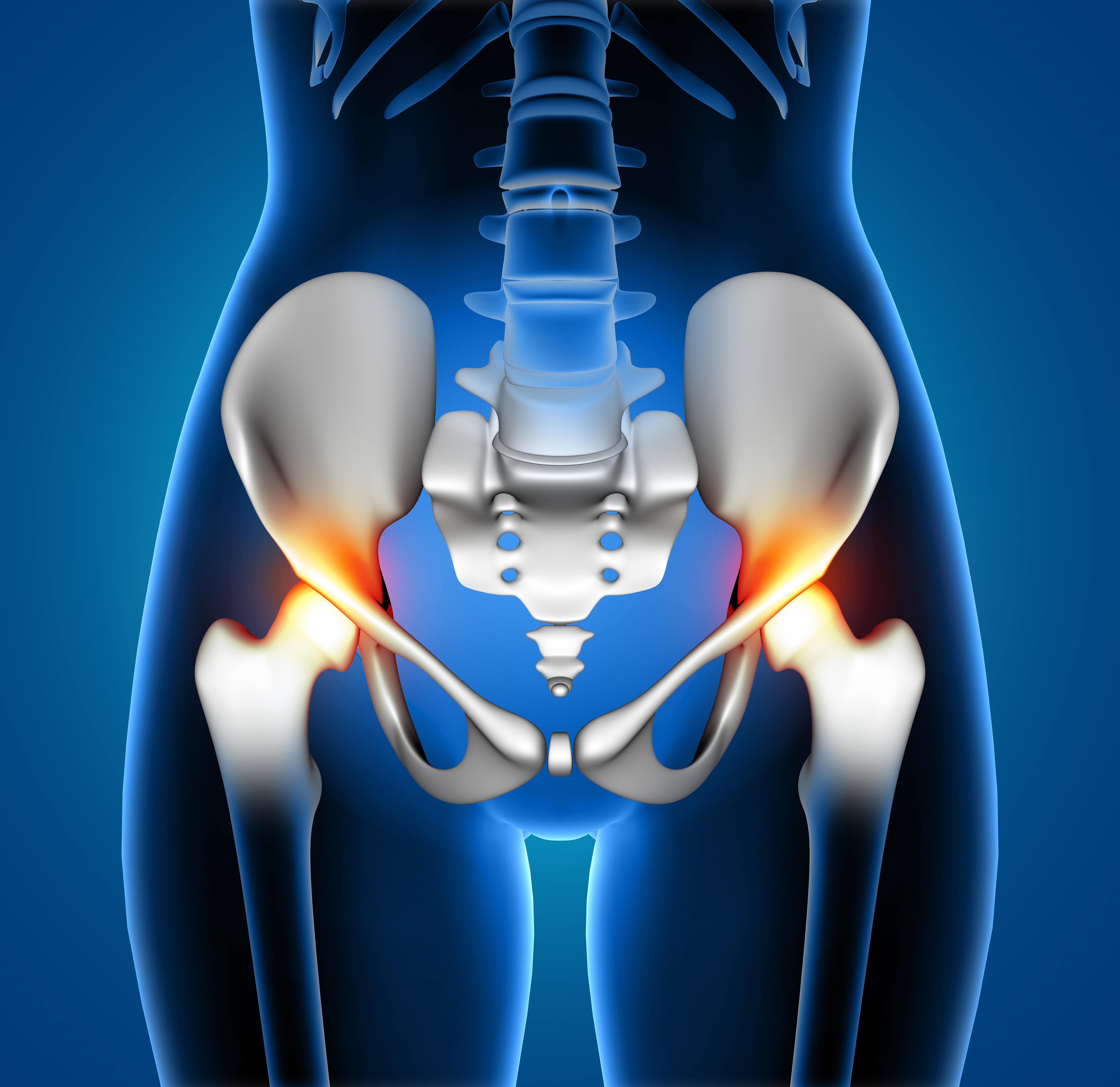
Avascular Necrosis: Loss of blood supply to the hip bone, causing joint collapse.
Common symptoms include persistent hip pain, stiffness, difficulty walking, and trouble performing everyday tasks. Ignoring these symptoms may worsen the condition over time.Patients seeking advanced care can consult a Hip Joint Replacement Surgeon in Navi Mumbai.
Surgical Procedure Explained
During hip replacement surgery, the damaged portions of the hip joint are removed and replaced with artificial components. Modern surgical techniques, including minimally invasive approaches, allow smaller incisions, less tissue damage, and faster recovery. The procedure usually takes a few hours under anesthesia, and patients are closely monitored during their hospital stay.For long-term relief, you can explore Hip Joint Replacement Surgery in Navi Mumbai.
Benefits & Outcomes
Hip replacement surgery offers several advantages:
Pain Relief: Most patients experience significant reduction or complete elimination of chronic hip pain.
Improved Mobility: Patients can return to walking, climbing stairs, and other daily activities with ease.
Faster Recovery: Modern surgical techniques minimize hospital stay and promote quicker rehabilitation.
Enhanced Quality of Life: With reduced pain and better mobility, patients regain independence and participate in daily and recreational activities comfortably.
Hip Replacement Surgery :From Pre-Surgery to Full Recovery
Pre-Surgery Preparation
Before your hip replacement, you will go through a full medical check-up, imaging tests, and consultations to make sure you are ready for surgery. You may be advised to do some simple exercises to strengthen your muscles and follow a healthy diet to help your body prepare for the operation and recovery.
What happens during the Surgery Day
On the day of surgery, you will be admitted to the hospital and given anesthesia so you won’t feel pain during the procedure. The surgeon will perform the operation carefully, and after the surgery, your condition will be closely monitored to keep you safe.
Post-Surgery Recovery
Recovery starts gradually with gentle movement and exercises guided by physiotherapy. You will be given instructions on exercises, precautions, and healthy habits to protect your new hip and help it heal properly. Recovery times vary, but most patients notice a big improvement in pain and mobility within a few weeks.
Which Hip Treatment Is Right for You?
Traditional vs Minimally Invasive Hip Replacement
Traditional hip replacement surgery requires a large incision, usually 8–12 inches, to access the hip joint. While this method works well, it can damage muscles and tissues, cause more pain after surgery, and lead to a longer hospital stay. Recovery often takes several months, and patients usually need extensive physiotherapy to walk normally again.
In contrast, minimally invasive hip replacement uses smaller cuts, usually 3–6 inches, and special tools to reach the joint without harming surrounding muscles. This approach generally causes less pain and bleeding during surgery. It also helps patients return to daily activities faster. Patients spend less time in the hospital and can start walking sooner. Overall, minimally invasive surgery allows faster recovery while providing results similar to traditional hip replacement.
Surgical vs Non-Surgical Treatments
Non-surgical treatments include medicines, pain-relief injections, physiotherapy, lifestyle changes, and aids such as canes or walkers. These methods reduce pain and improve movement, especially in the early stages of hip problems. However, they cannot fully repair serious joint damage or advanced arthritis.
Hip replacement surgery replaces the damaged joint with an artificial one. This procedure provides long-term pain relief and restores mobility. Therefore, patients with severe arthritis, fractures, or constant hip pain that limits daily life usually find surgery the most effective solution. You should choose the treatment based on the severity of your hip problem, your overall health, and your lifestyle needs.
Preventive & Lifestyle Tips for Hip Replacement Surgery
Exercise: Gentle exercises to strengthen hip muscles before and after surgery can improve recovery outcomes.
Nutrition: A balanced diet rich in calcium, vitamin D, and protein supports bone health and healing.
Safety Precautions: Avoid high-risk activities that could cause falls or injuries, and use assistive devices as recommended during recovery.
Final Thought
Hip joint replacement can truly transform your life. Firstly, it helps you regain mobility and move more comfortably. In addition, it significantly reduces chronic pain, allowing you to perform daily activities with ease. As a result, many patients experience a noticeable improvement in their overall quality of life. However, achieving the best outcome depends on choosing the right specialist. Therefore, it is important to consult an experienced orthopaedic expert like Dr. Suyog Chavhan. During the consultation, he carefully evaluates your condition and designs a personalized treatment plan. Furthermore, he guides you through the preparation process and explains every step clearly. Finally, he continues to support you throughout your recovery to ensure a smooth and successful outcome.