A bone fracture can affect mobility, work, exercise, and everyday activities. Timely diagnosis and appropriate orthopedic care are important for supporting proper healing and restoring function. Understanding Fracture Treatment in Navi Mumbai can help patients learn about available treatment options, expected recovery timelines, and important precautions during the healing process.
Understanding Fractures
A fracture occurs when a bone partially or completely breaks. Falls, road accidents, sports injuries, and direct impacts are common causes. Fractures may also occur because of weakened bones or repetitive stress.
The body naturally begins repairing a fracture soon after the injury. Blood clots form around the affected area, followed by soft callus formation and new bone development. The bone then gradually becomes stronger through a remodeling process that can continue for several months.
Because fractures differ in location, severity, alignment, and complexity, professional evaluation is important before deciding on treatment.
Why Specialized Fracture Care Matters
Choosing appropriate Fracture Treatment in Navi Mumbai allows the injury to be assessed according to its specific characteristics. X-rays are commonly used to identify the fracture and evaluate bone alignment. Advanced imaging may be recommended for complicated injuries or fractures involving joints.
Treatment may involve immobilization, medication, rehabilitation, or surgery depending on the fracture. The primary goals are to stabilize the injury, restore appropriate alignment, support bone healing, and help the patient regain normal movement.
Treatment Options for Fractures
Non-Surgical Treatment
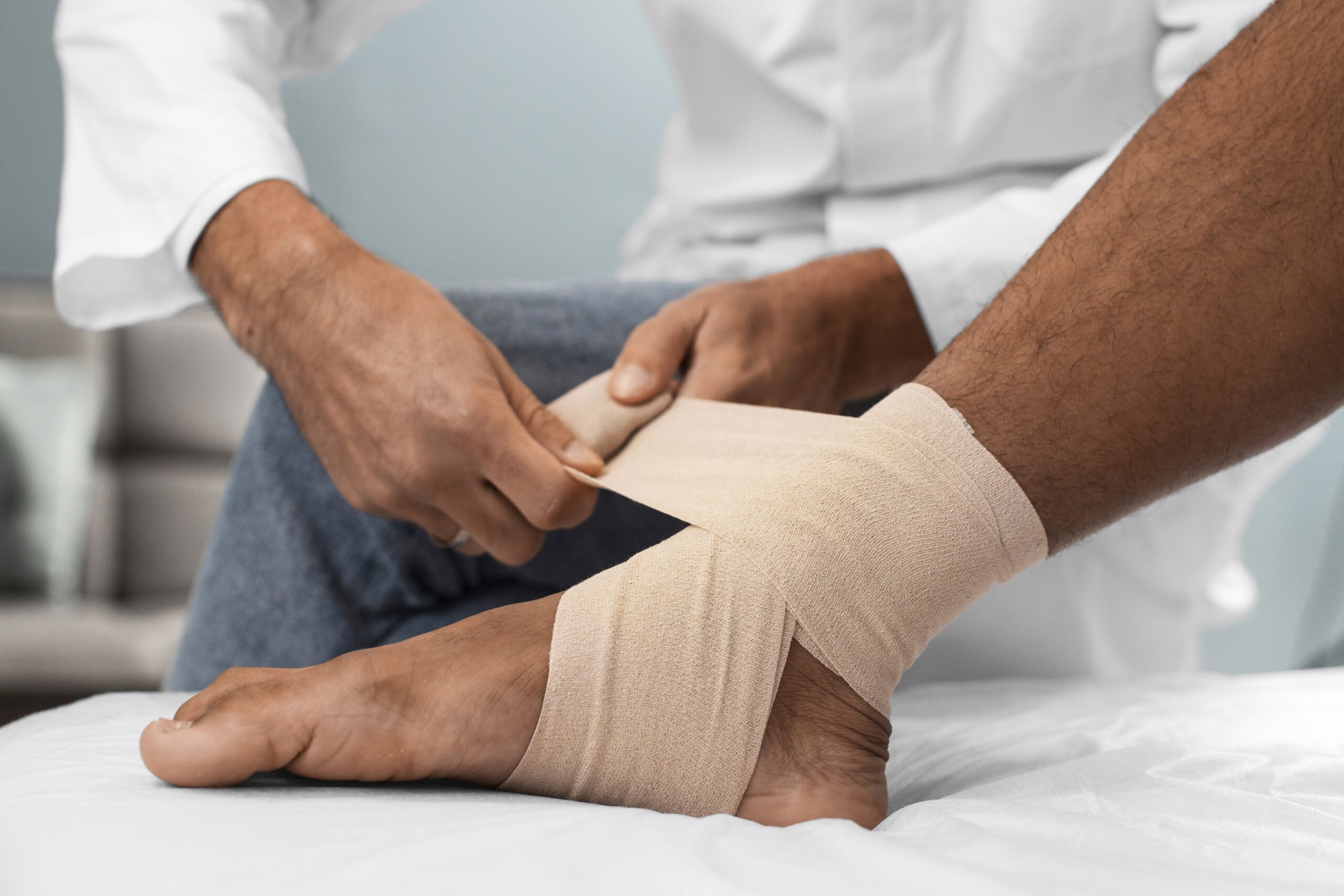
Stable and non-displaced fractures may often heal without surgery. Depending on the affected bone, treatment can involve a cast, splint, or brace. Follow-up examinations and imaging help monitor healing and ensure that the bone remains properly aligned.
Gentle movement of unaffected joints may also be recommended to reduce stiffness and maintain muscle strength during recovery.
Surgical Treatment
Complex fractures involving significant displacement, instability, multiple fragments, or joint surfaces may require surgery. Depending on the injury, plates, screws, or intramedullary rods may be used to stabilize the bone.
The appropriate surgical or non-surgical approach depends on the fracture pattern, location, severity, and the patient’s overall condition.
Fracture Recovery Timeline
Healing time varies between patients. Simple fractures may achieve initial union within approximately 6–8 weeks, although complete remodeling can continue for several months. Children may heal faster, while complicated fractures can require a longer recovery period.
The affected bone also influences healing time. Smaller fractures may recover within a few weeks, whereas fractures involving larger bones can take considerably longer.
Rehabilitation is an important part of recovery. As healing progresses, patients may gradually begin strengthening and mobility exercises according to their doctor’s recommendations.
Understanding Fracture Treatment Cost in Navi Mumbai
Many patients want to know the expected Fracture Treatment Cost in Navi Mumbai before beginning treatment. However, there is no single cost because treatment requirements vary from one fracture to another.
The overall expense can depend on the fracture’s location and severity, diagnostic investigations, treatment method, hospital facilities, surgeon’s fees, medications, and rehabilitation requirements.
Conservative treatment with a cast or splint may involve fewer expenses than surgery requiring anesthesia, hospitalization, and implants. Discussing the treatment plan and expected expenses during consultation can help patients plan accordingly.
Factors Affecting Fracture Treatment Cost in Navi Mumbai
Several factors can influence Fracture Treatment Cost in Navi Mumbai. A simple fracture that responds well to immobilization may require less extensive treatment than a complex injury requiring surgical fixation.
Costs may include X-rays or other investigations, consultation, surgical charges, hospital expenses, implants, medications, and follow-up care. Rehabilitation can also contribute to the overall expense when physiotherapy is required for restoring movement and strength.
Insurance coverage varies between policies. Patients should check their policy terms, coverage limits, deductibles, and exclusions before treatment whenever possible.
Other Orthopedic Conditions
Orthopedic care extends beyond fracture management. Patients with other bone and joint problems may require specialized evaluation and treatment.
For patients experiencing significant hip problems, Hip Joint Replacement in Navi Mumbai may be considered for conditions that affect hip function and mobility. Treatment is selected according to the patient’s condition and clinical requirements.
Patients experiencing chronic joint pain and inflammation may also require Arthritis Treatment in Navi Mumbai. Depending on the severity and type of arthritis, management may involve medication, physical therapy, lifestyle measures, or surgery.
Preventing Complications During Recovery
Successful healing requires patients to follow their treatment and rehabilitation instructions. Scheduled follow-up appointments help monitor bone healing and identify potential problems.
Increasing pain, excessive swelling, numbness, tingling, skin discoloration, fever, or unusual wound drainage should be assessed promptly. Patients should also follow recommended activity restrictions and avoid putting unnecessary stress on the healing bone.
A balanced diet containing adequate protein, calcium, vitamin D, and other nutrients can support overall bone health. Avoiding smoking is also beneficial because nicotine can interfere with circulation and bone healing.
When to Seek Immediate Care
Certain injuries require urgent medical attention. Open fractures, severe deformities, suspected nerve or blood vessel injuries, and significant loss of function should be evaluated without delay.
Early assessment can help determine the severity of the injury and whether surgical or conservative management is appropriate. Patients with a suspected fracture should avoid unnecessary movement of the injured area until professional medical assessment is available.
Conclusion
Recovering from a fracture requires proper diagnosis, individualized treatment, and consistent follow-up. Stable fractures may heal with immobilization, while displaced or complex injuries may require surgical fixation.
For patients considering Fracture Treatment in Navi Mumbai, understanding the treatment approach and recovery process can make the journey more manageable. Professional orthopedic evaluation helps determine the most appropriate care based on the individual injury.
Patients should also consider Fracture Treatment Cost in Navi Mumbai as part of their treatment planning. Discussing the expected procedures, investigations, hospital requirements, and rehabilitation needs during consultation can provide greater clarity about the overall treatment process.
Frequently Asked Questions
1. How long does a fracture take to heal?
Many simple fractures achieve initial bone union within approximately 6–8 weeks, although healing varies depending on the bone, severity, age, and overall health.
2. Can every fracture be treated without surgery?
No. Stable fractures may often be treated with casts or splints, while displaced, unstable, or joint-involving fractures may require surgical fixation.
3. When can physiotherapy begin?
The timing depends on the fracture and treatment method. Rehabilitation is generally introduced gradually according to the treating doctor’s assessment of bone healing.
4. What affects fracture healing?
Age, nutrition, fracture severity, bone location, smoking, and overall health can influence recovery time.
5. What warning signs require medical attention?
Increasing pain, swelling, numbness, tingling, discoloration, fever, or wound drainage should be assessed promptly by a medical professional.