
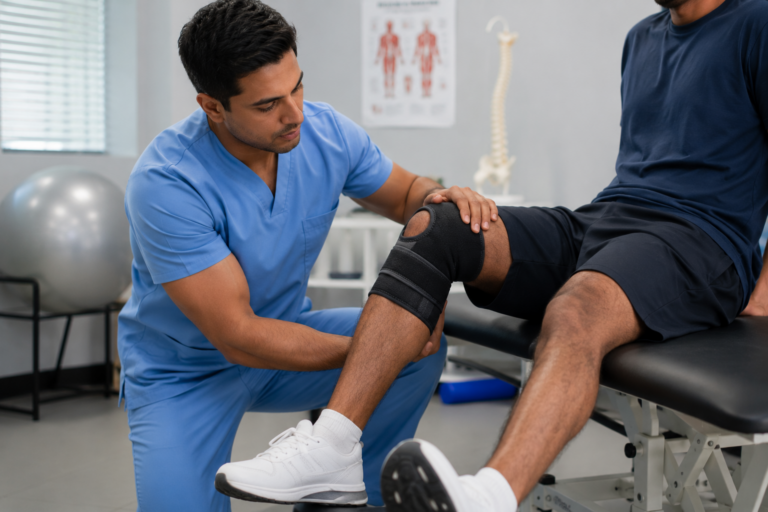
Don’t Ignore That Sprain: When to See a Sports Injury Specialist in Navi Mumbai
Staying active through running, gym workouts, football, cricket, or weekend sports leagues is great for your health—but it also raises the chances of sprains, ligament tears, muscle pulls, and joint injuries. When pain doesn’t settle, or movement feels restricted, trying to “push through it” can turn a small issue into a long-term problem. For athletes and fitness lovers seeking Sports Injury Treatment in Vashi, an accurate diagnosis and a structured treatment plan are essential for a safe, confident return to sport.
At Dr. Suyog Chavhan’s clinic, patients receive personalised care from a trusted Sports Injury Specialist in Navi Mumbai, with treatment tailored to the demands of each sport and each individual’s performance goals.
Why Sports Injuries Need Expert Attention
Not all injuries heal completely with rest and home remedies. Some may feel better for a while and then flare up again when you resume activity. Others may leave behind weakness, stiffness, or instability that affects performance. Common problems that often require professional Sports Injury Treatment in Vashi include:
- Ankle sprains and ligament tears.
- Knee injuries such as ACL, PCL, or meniscus damage.
- Shoulder injuries, including rotator cuff tears and dislocations.
- Muscle strains in the thigh, calf, or hamstring.
- Tendonitis around the elbow, knee, or Achilles tendon.
- Stress fractures due to repetitive overuse.
A skilled Sports Injury Specialist in Navi Mumbai looks beyond just the pain area. They assess biomechanics, training patterns, previous injuries, and overall joint health to understand why the injury occurred and how to prevent it from returning.
About Dr. Suyog Chavhan – Your Sports Injury Specialist
Dr. Suyog B. Chavhan is an orthopaedic and joint replacement surgeon known for his work in trauma, joint surgery, and sports injuries in Navi Mumbai. At his clinic in Vashi, he focuses on accurate diagnosis and evidence-based management so that athletes, working professionals, and recreational sports lovers can heal properly and return to activity with confidence.
On the official Sports Injury Treatment in Navi Mumbai page, Dr. Chavhan outlines an approach that includes clinical evaluation, imaging when necessary, personalised rehabilitation, and, in selected cases, surgical options. This combination of clinical expertise and structured follow-up is an important part of care from a dedicated Sports Injury Specialist in Navi Mumbai.
Common Causes and Types of Sports Injuries
Sports injuries generally fall into two broad groups:
- Acute Injuries: These are caused by a single incident, such as a fall, twist, or direct impact. Examples include ankle sprains, ligament tears, fractures, and shoulder dislocations.
- Overuse Injuries: These develop due to repeated stress over time. Examples include tendonitis, shin splints, stress fractures, and chronic muscle strains.
Poor warm-up, incorrect technique, improper footwear, a sudden increase in training intensity, and a lack of rest between sessions can all contribute to injuries. Effective Sports Injury Treatment in Vashi addresses both the immediate problem and the underlying risk factors.
How Sports Injuries Are Diagnosed
A thorough diagnosis is the first step towards safe recovery. During consultation, Dr. Chavhan typically:
- Reviews how and when the injury occurred.
- Assesses pain, swelling, joint stability, and range of motion.
- Checks for weakness, alignment, or posture issues.
- Recommends X-rays, MRI, or ultrasound scans when deeper structures need to be examined.
This detailed evaluation helps a Sports Injury Specialist in Navi Mumbai distinguish between injuries that can be treated conservatively and those that may benefit from surgical treatment.
Treatment Options: From Conservative Care to Surgery
Most patients with sports injuries do not need surgery. Initial Sports Injury Treatment in Vashi often includes:
- Activity Modification: Taking a break from impact sports and avoiding movements that worsen the injury.
- Ice, Compression, and Elevation: These measures may help manage pain and swelling during the early phase of certain injuries.
- Medication: Anti-inflammatory or pain-relief medication may be recommended when appropriate.
- Physiotherapy: Exercises to reduce symptoms, restore movement, and rebuild strength.
- Bracing or Taping: Support for the affected joint during recovery when recommended.
When ligaments are completely torn, cartilage is severely damaged, or joints remain unstable despite rehabilitation, surgical options may be considered. Dr. Chavhan’s experience in orthopaedic and joint surgery can help guide treatment planning according to the type of injury and the patient's needs. For patients with separate joint conditions, treatment options may also include knee replacement or hip joint replacement when clinically appropriate.
Rehabilitation: The Key to a Safe Return to Sport
Rehabilitation is an essential part of recovery. A structured rehabilitation programme may help:
- Restore flexibility and joint range of motion.
- Rebuild muscle strength and endurance.
- Improve balance and coordination.
- Correct movement patterns or technique issues.
- Gradually reintroduce sport-specific drills.
An experienced Sports Injury Specialist in Navi Mumbai can coordinate with physiotherapists to ensure that each phase—from basic mobility to high-intensity training—is introduced at the appropriate time. Returning to sport too quickly may increase the risk of re-injury.
Preventing Future Sports Injuries
Once recovery is underway, prevention becomes an important goal. Key habits include:
- Following proper warm-up and cool-down routines.
- Using sport-appropriate footwear and equipment.
- Following a structured training plan instead of suddenly increasing intensity.
- Allowing enough rest and recovery between intense sessions.
- Strengthening core and stabiliser muscles to support the joints.
- Listening to pain signals instead of training through significant discomfort.
Following these measures consistently can help lower the risk of repeat injuries and reduce the need for further Sports Injury Treatment in Vashi, allowing athletes to stay active with greater confidence.
Conclusion
Sports injuries don’t have to mean the end of your active lifestyle. With timely diagnosis, structured rehabilitation, and the guidance of a trusted Sports Injury Specialist in Navi Mumbai, many athletes can return to their sport with improved strength and a better understanding of how to protect their bodies.
At Dr. Suyog Chavhan’s clinic in Vashi, Sports Injury Treatment in Vashi focuses on understanding your sport, your goals, and your long-term joint health—not just short-term pain relief. If an injury is stopping you from playing or training the way you want, seeking expert help can help you understand the right treatment and recovery plan.
Frequently Asked Questions
1. When should I see a doctor for a sports injury?
You should consult a specialist if pain lasts more than a few days, swelling is significant, you cannot bear weight on the limb, or your joint feels unstable or keeps “giving way.” Seek prompt medical attention for severe pain, visible deformity, or suspected fracture.
2. Can I treat all sports injuries at home with rest and ice?
Minor strains may improve with home care, but ligament tears, serious sprains, and fractures need proper evaluation. Ignoring them can lead to persistent pain or long-term instability.
3. Do all sports injuries require surgery?
No. Many conditions improve with rest, physiotherapy, medication, and a gradual return to activity. Surgery is generally considered for selected severe injuries or when non-surgical treatment does not provide sufficient improvement.
4. How long does it take to return to sport after an injury?
Recovery time depends on the type and severity of the injury, as well as how closely you follow your rehabilitation plan. Some athletes return in a few weeks, while others may need several months.
5. How can I reduce the risk of future sports injuries?
Warming up, using proper technique, strengthening supporting muscles, avoiding overtraining, and paying attention to early pain signals can all help lower the risk of future injuries.
Book an Appointment